
Embracing Holistic Practices for Better Health
- Oct 27, 2025
- 4 min read
In today’s fast-paced world, many people are seeking ways to improve their health beyond conventional medicine. Holistic practices offer a comprehensive approach that considers the whole person - body, mind, and spirit. This method promotes balance and wellness by integrating various natural and mindful techniques. Embracing holistic practices can lead to lasting health benefits and a more fulfilling life.
Understanding Holistic Practices
Holistic practices focus on treating the individual as a whole rather than just addressing symptoms. This approach recognizes that physical health is deeply connected to emotional and mental well-being. Some common holistic practices include yoga, meditation, acupuncture, herbal medicine, and nutritional therapy.
For example, yoga combines physical postures with breathing exercises and meditation to improve flexibility, reduce stress, and enhance mental clarity. Similarly, acupuncture uses fine needles to stimulate specific points on the body, promoting energy flow and pain relief.
Incorporating these practices into daily life can help prevent illness and support recovery. Holistic health encourages self-awareness and empowers individuals to take an active role in their wellness journey.

Benefits of Holistic Practices for Health
Holistic practices offer numerous benefits that contribute to overall well-being. Here are some key advantages:
Improved Physical Health: Techniques like massage therapy and herbal remedies can reduce inflammation, relieve pain, and boost immunity.
Mental Clarity and Emotional Balance: Meditation and mindfulness help reduce anxiety, depression, and stress by calming the mind.
Enhanced Energy and Vitality: Proper nutrition and regular exercise increase stamina and promote better sleep.
Prevention of Chronic Diseases: Holistic approaches often focus on lifestyle changes that reduce the risk of conditions such as diabetes, heart disease, and obesity.
Personalized Care: Holistic health practitioners tailor treatments to individual needs, considering lifestyle, environment, and emotional state.
For instance, someone suffering from chronic headaches might find relief through acupuncture combined with dietary adjustments and stress management techniques. This integrated approach addresses root causes rather than just masking symptoms.
What do wellness professionals do?
Wellness professionals play a crucial role in guiding individuals through holistic health journeys. They assess physical, emotional, and lifestyle factors to create personalized wellness plans. Their expertise spans various disciplines such as nutrition, fitness, mental health, and alternative therapies.
Some common roles include:
Holistic Health Coaches: They provide education and support to help clients adopt healthier habits and manage stress.
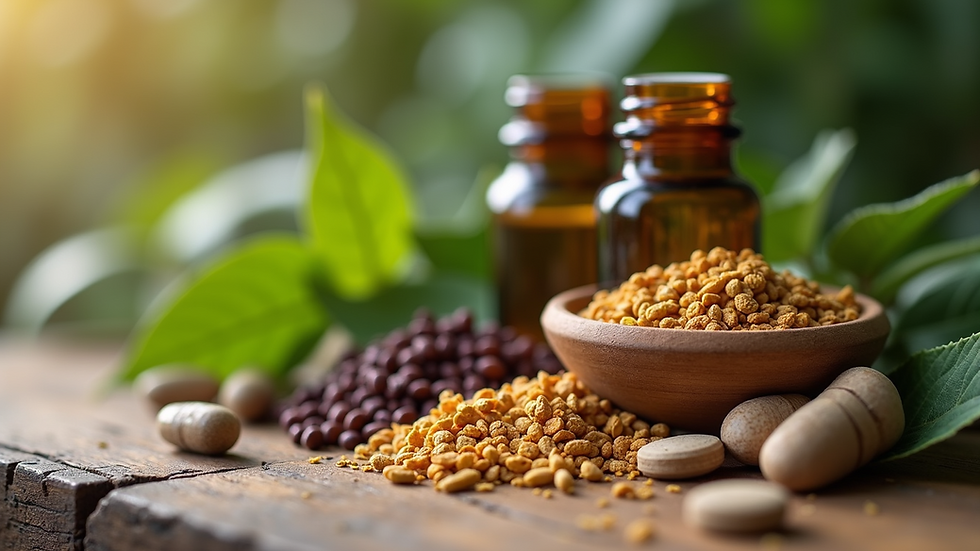
Naturopaths: These practitioners use natural remedies like herbs, nutrition, and homeopathy to promote healing.
Massage Therapists: They use touch techniques to relieve muscle tension, improve circulation, and enhance relaxation.
Yoga and Meditation Instructors: They teach practices that improve flexibility, reduce stress, and foster mindfulness.
Acupuncturists: They stimulate specific points on the body to balance energy and alleviate pain.
Wellness professionals often collaborate with conventional healthcare providers to ensure a comprehensive approach. Their goal is to empower clients with tools and knowledge for sustained health improvements.
How to Incorporate Holistic Practices into Daily Life
Adopting holistic practices does not require drastic changes. Small, consistent steps can make a significant difference. Here are practical ways to start:
Mindful Breathing: Spend 5-10 minutes daily focusing on deep, slow breaths to reduce stress.
Balanced Nutrition: Incorporate whole foods, fresh fruits, and vegetables into your diet. Avoid processed foods and excessive sugar.
Regular Physical Activity: Choose activities you enjoy, such as walking, swimming, or yoga, to stay active.
Adequate Sleep: Aim for 7-8 hours of restful sleep each night to support recovery and mental clarity.
Herbal Supplements: Consider natural supplements like turmeric, ginger, or ashwagandha after consulting a wellness professional.
Digital Detox: Limit screen time and engage in activities that promote relaxation and creativity.
Connect with Nature: Spend time outdoors to boost mood and reduce anxiety.
By integrating these habits, you create a foundation for holistic health that nurtures both body and mind.
Exploring Natural Wellness Solutions
Many people turn to natural wellness solutions to complement their holistic health routines. These solutions emphasize the use of natural products and therapies that support the body's innate healing abilities.
For example, Ayurveda, an ancient Indian system of medicine, offers personalized herbal formulations, dietary guidelines, and lifestyle practices tailored to individual constitution types. These methods promote balance and prevent disease by aligning with nature’s rhythms.
Using natural wellness solutions can reduce dependence on pharmaceuticals and minimize side effects. However, it is important to consult qualified practitioners to ensure safety and effectiveness.
Embracing a Holistic Lifestyle for Long-Term Wellness
Adopting holistic practices is a journey rather than a quick fix. It requires patience, self-compassion, and a willingness to explore new ways of living. Over time, these practices can transform your health, relationships, and overall quality of life.
Remember to:
Set realistic goals and celebrate small victories.
Stay open to learning and adapting your routine.
Seek support from wellness professionals and community groups.
Prioritize self-care and listen to your body’s needs.
By embracing a holistic lifestyle, you empower yourself to live with greater vitality, balance, and joy. The integration of mind, body, and spirit creates a harmonious foundation for enduring health.
Taking the first step towards holistic health can be as simple as trying a new meditation technique or exploring natural remedies. With consistent effort and guidance, you can unlock the full potential of your well-being.


Comments