
Discover Ayurvedic Wellness Techniques: Ayurveda's Role in Wellness
Ayurveda, an ancient system of medicine originating from India, has been practiced for thousands of years. It offers a holistic approach to health and wellness, focusing on balancing the body, mind, and spirit. In today's fast-paced world, many people are turning to Ayurveda to find natural ways to improve their well-being. This article explores the role of Ayurveda in wellness, highlighting practical techniques and benefits that can be incorporated into daily life.
Understanding Ayurvedic Wellness Techniques
Ayurvedic wellness techniques are designed to promote harmony within the body and mind. These methods are based on the concept of three doshas - Vata, Pitta, and Kapha - which represent different energies governing bodily functions. Each person has a unique combination of these doshas, and maintaining their balance is key to good health.
Some common ayurvedic wellness techniques include:
Abhyanga (Oil Massage): A daily self-massage using warm herbal oils to improve circulation, detoxify the body, and calm the nervous system.
Pranayama (Breathing Exercises): Controlled breathing techniques that enhance oxygen flow, reduce stress, and improve mental clarity.
Meditation: Mindfulness practices that help reduce anxiety and promote emotional balance.
Dietary Adjustments: Eating foods that suit your dosha type to optimize digestion and energy levels.
Herbal Remedies: Using natural herbs to support immunity and treat minor ailments.
Incorporating these techniques into your routine can lead to improved sleep, better digestion, and increased vitality.
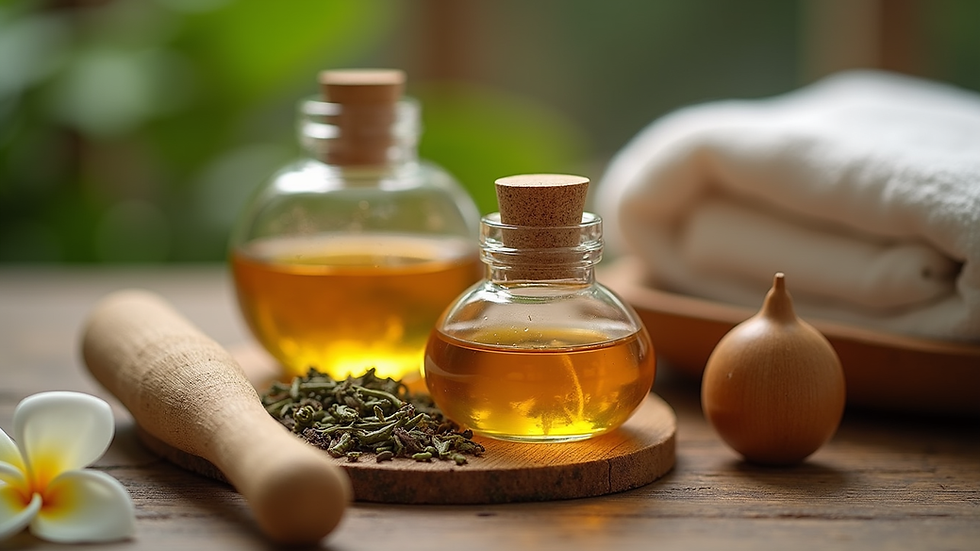
Ayurvedic oils and massage tools used in traditional wellness practices
How to Identify Your Dosha for Personalized Wellness
Knowing your dosha type is essential for applying ayurvedic wellness techniques effectively. Each dosha has specific characteristics:
Vata: Associated with air and space, Vata types are energetic, creative, and prone to dryness and anxiety.
Pitta: Linked to fire and water, Pitta individuals are passionate, intelligent, and may experience inflammation or irritability.
Kapha: Connected to earth and water, Kapha people are calm, steady, and can struggle with weight gain or congestion.
To identify your dosha, you can take online quizzes or consult an Ayurvedic practitioner. Once you know your dosha, tailor your lifestyle accordingly:
Vata: Favor warm, moist foods; establish a regular routine; avoid cold environments.
Pitta: Choose cooling foods; practice calming activities; avoid excessive heat.
Kapha: Opt for light, spicy foods; engage in regular exercise; avoid heavy or oily meals.
This personalized approach helps maintain balance and prevent illness.
What Diseases Are Cured by Ayurveda?
Ayurveda is not just about prevention; it also offers treatments for various health conditions. While it may not replace conventional medicine for serious diseases, Ayurveda can complement modern treatments and support recovery.
Some common ailments Ayurveda addresses include:
Digestive Disorders: Such as indigestion, constipation, and acid reflux, treated with dietary changes and herbal supplements.
Respiratory Issues: Including asthma and allergies, managed through herbal remedies and breathing exercises.
Skin Conditions: Like eczema and psoriasis, improved with detoxification and topical herbal applications.
Stress and Anxiety: Reduced through meditation, yoga, and calming herbs.
Joint Pain and Arthritis: Alleviated with massage, herbal oils, and anti-inflammatory herbs.
Ayurveda focuses on treating the root cause rather than just symptoms, promoting long-term wellness.

Ayurvedic herbs and powders commonly used in traditional treatments
Practical Tips to Incorporate Ayurveda into Daily Life
Adopting ayurvedic wellness techniques does not require a complete lifestyle overhaul. Here are some simple, actionable steps to get started:
Start Your Day with Warm Water: Drinking warm water in the morning helps flush out toxins and kickstarts digestion.
Practice Abhyanga: Spend 10-15 minutes massaging your body with warm oil before showering to nourish your skin and calm your nerves.
Eat Mindfully: Choose fresh, seasonal foods that suit your dosha and avoid overeating.
Follow a Routine: Go to bed and wake up at consistent times to regulate your body's internal clock.
Include Meditation and Pranayama: Dedicate a few minutes daily to breathing exercises and meditation to reduce stress.
Use Herbal Teas: Incorporate teas like ginger, tulsi, or turmeric to support immunity and digestion.
By gradually integrating these habits, you can experience the benefits of Ayurveda without feeling overwhelmed.
The Future of Ayurveda in Modern Wellness
As interest in natural and holistic health grows, Ayurveda is gaining recognition worldwide. Scientific research is increasingly validating its benefits, leading to greater acceptance in mainstream wellness practices.
Ayurveda's emphasis on personalized care and prevention aligns well with modern health trends. It encourages individuals to take responsibility for their health through lifestyle choices, diet, and mindfulness.
For those seeking a balanced and natural approach to well-being, exploring ayurveda wellness can be a transformative journey. Whether used alone or alongside conventional medicine, Ayurveda offers valuable tools to enhance quality of life.
By embracing ayurvedic wellness techniques, you can unlock a path to holistic health that nurtures your body, mind, and spirit. Start small, stay consistent, and discover the profound impact of this ancient science on your modern life.


Comments